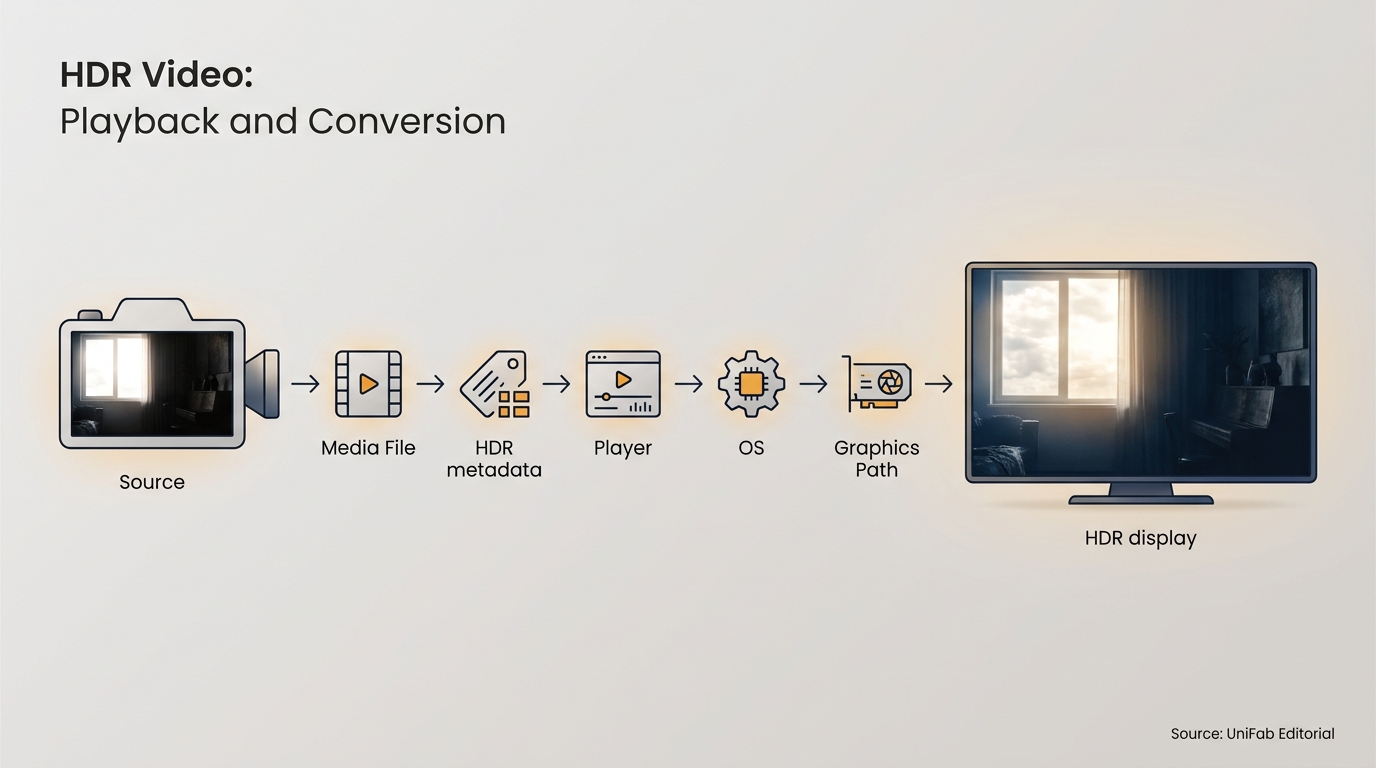
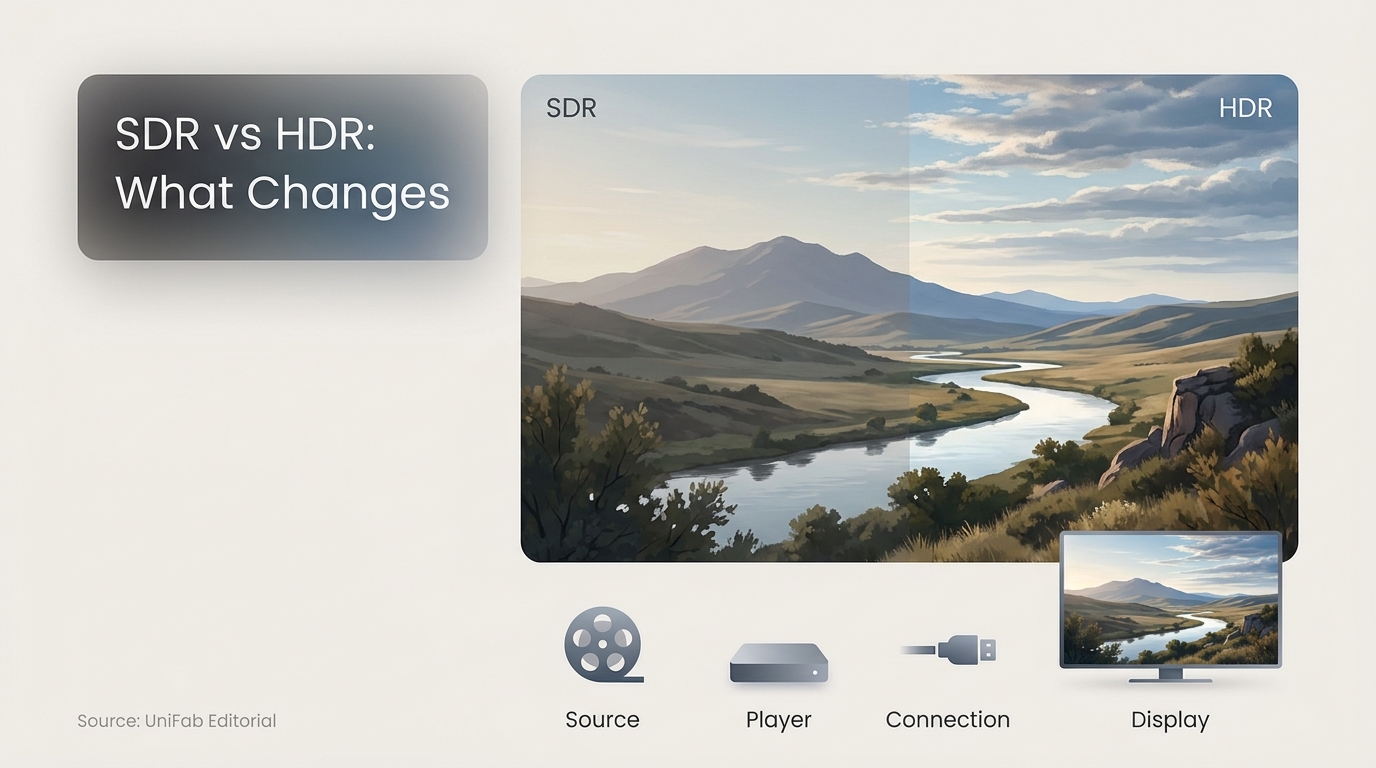
HDR expands usable brightness, contrast, and color information, but the result depends on the entire playback chain. This guide explains the formats, diagnoses common display problems, and lays out a controlled SDR-to-HDR workflow.
Diagnose why a video is pixelated, match compression, low-resolution, playback, or file damage to the right fix, and understand when AI restoration can help. This pillar directs readers to focused tool, mosaic-removal, and censorship explainers without promising recovery of deliberately hidden detail.
SDR offers broad, predictable playback, while HDR can deliver stronger contrast and color through a compatible signal chain. This guide compares both formats, explains common HDR problems, and outlines when selective HDR10 conversion makes sense.
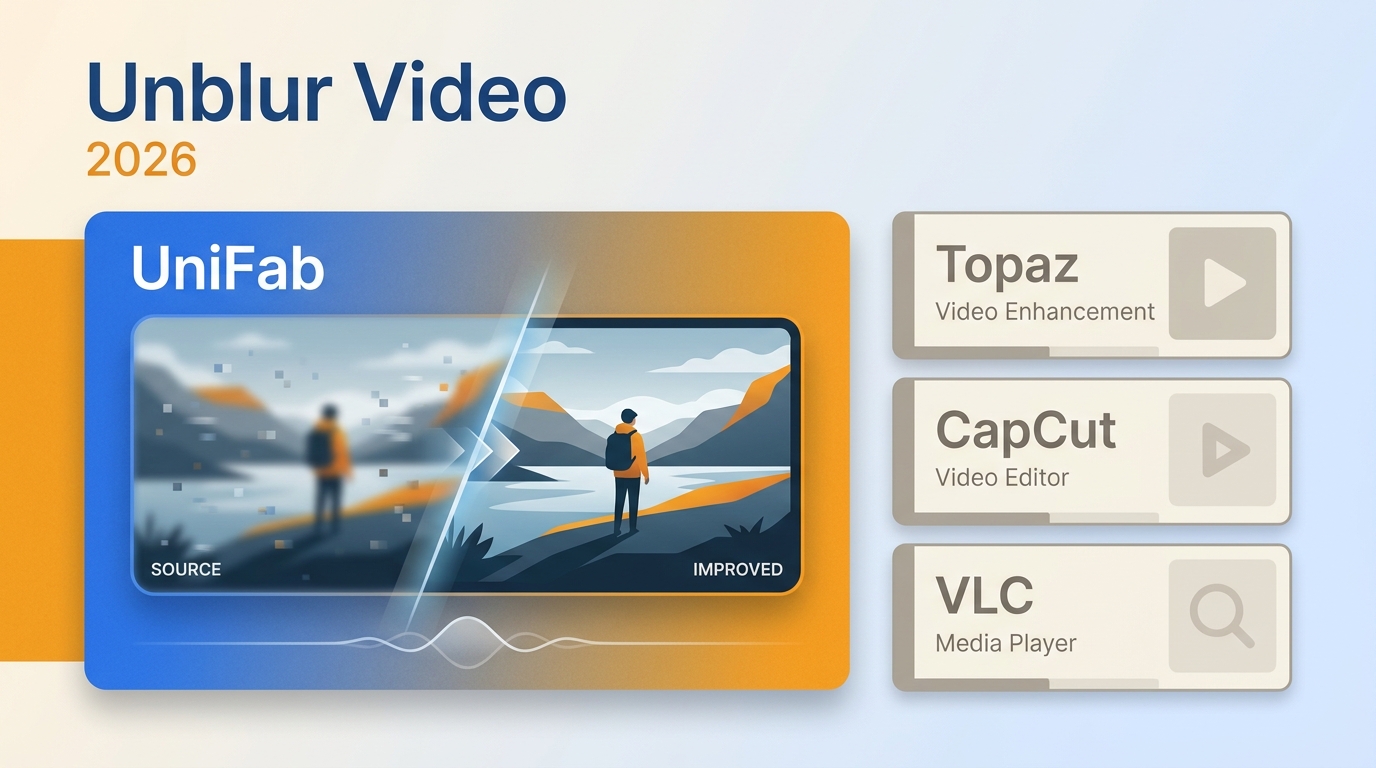
Blur is not one problem, so the right fix starts with diagnosis. This guide maps motion blur, missed focus, noise, and compression to practical treatments, then compares two desktop and four online video clearers by privacy, file handling, export path, mobile fit, and realistic AI recovery limits.
Compare AI video restoration software for VHS, compressed clips, and film scans. The guide explains a practical restoration order, evaluates AI and traditional tools, and shows how to choose software for denoising, deinterlacing, color recovery, and upscaling.
Learn how to sharpen video online free without confusing sharpening with upscaling or motion-blur repair. This guide compares online video sharpener options, explains free limits and privacy, and gives a practical workflow for avoiding halos and artificial detail.
Learn how to denoise video online free and compare seven browser-based options by upload model, free limits, watermark policy, noise types, and output controls. The guide also explains when a desktop AI denoiser is the safer choice for long or private footage.
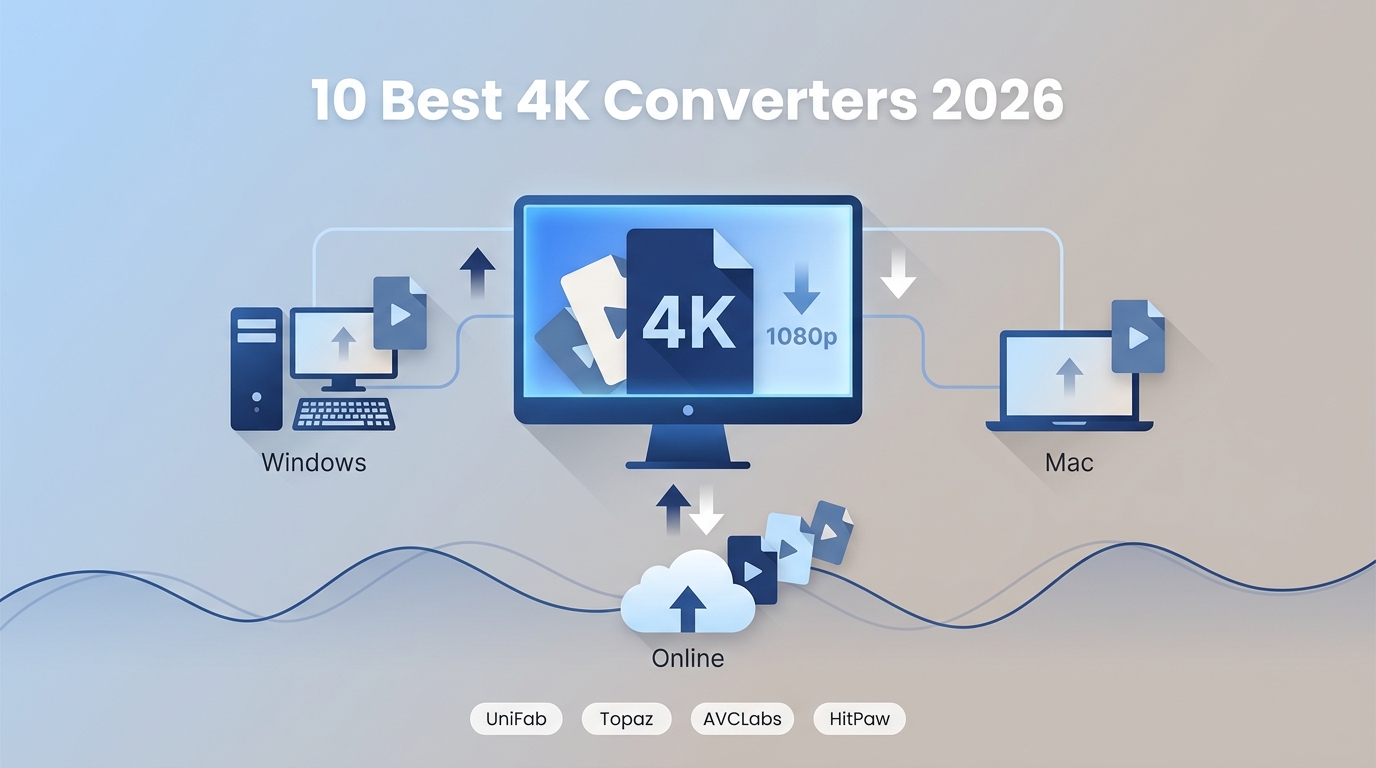
Your old 720p vacation clips look terrible on a brand-new 4K TV. Your drone footage shot at 1080p doesn't hold up next to the crisp 4K content flooding YouTube and TikTok. And that wedding video from 2015? It deserves better than blocky, washed-out playback on a modern display. A 4K quality converter solves all of these problems — and the best ones in 2026 use artificial intelligence to rebuild missing detail rather than simply stretching pixels. This guide covers the 10 best desktop and online tools available right now, with honest pros and cons for each, a side-by-side comparison table, and practical advice on picking the right converter for your workflow.
This 2026 guide compares seven free video enhancement software options by enhancement type, operating system, watermark, export limits, privacy, and what “free” actually means. It separates unlimited open-source editors from browser free tiers and full-feature AI trials, so readers can choose the right tool without mistaking manual filters for true AI restoration.
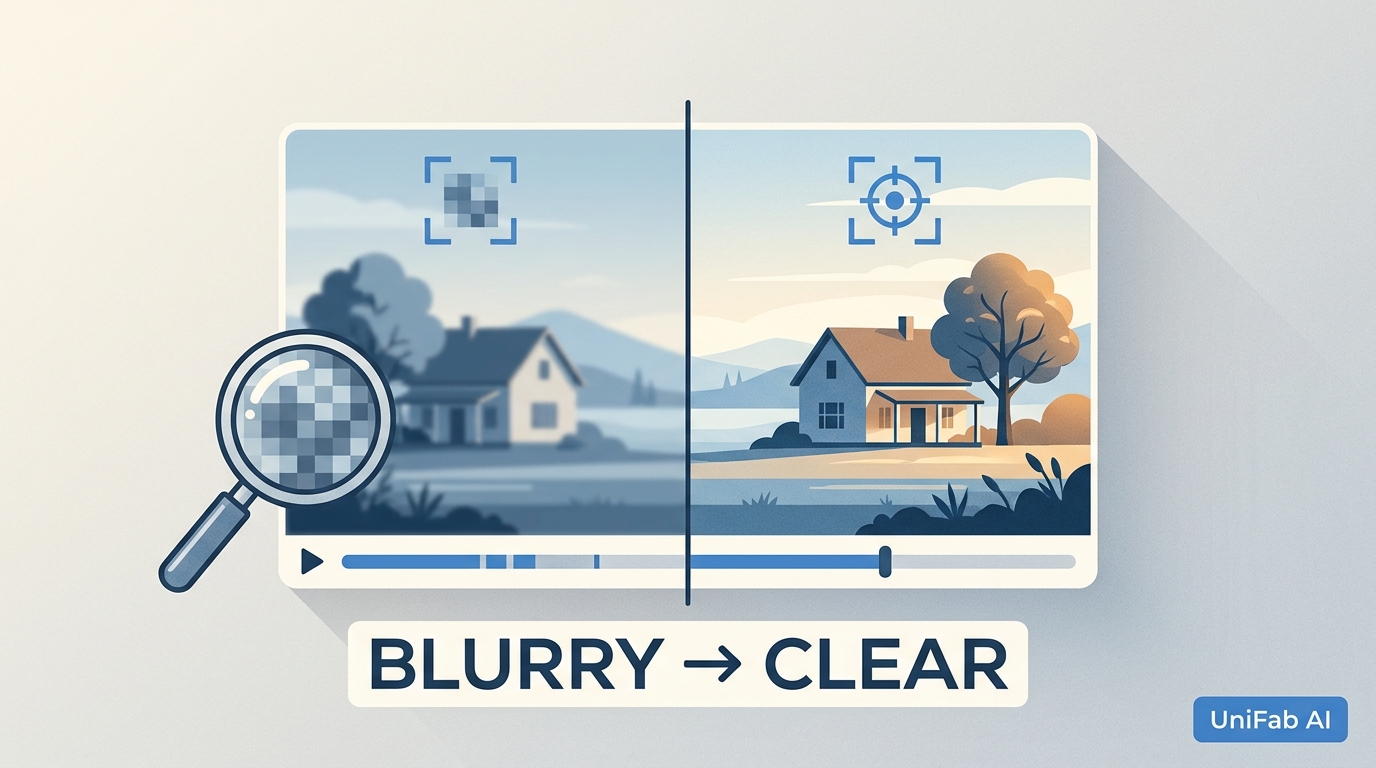
Blurry, soft, or low-resolution video footage can ruin an otherwise great recording. Whether you are dealing with old VHS transfers, compressed social media downloads, or shaky handheld shots, sharpening your video can dramatically improve its visual quality and professional appeal. In this guide, we cover the best ways to sharpen video quality in 2026 — from AI-powered desktop software and free open-source tools to online editors and mobile apps. We test each method, explain when to use it, and provide step-by-step instructions so you can get sharper, clearer footage regardless of your device or budget.