AI video flicker is a temporal consistency problem, not ordinary camera flicker. This guide explains how to identify shimmer, boiling, lighting pulse, and jitter, then remove AI video flicker before upscaling or final export.
Kling can produce strong motion, but faces often drift or morph before the clip is ready for delivery. This guide explains how to upscale Kling video after a face-restoration pass, compare native 4K with 1080p finishing, and verify the result with real playback evidence.
This guide compares eight AI video denoise software options for grain, low-light noise, compression artifacts, and uneven color noise. It explains how the tools differ, which workflows suit local desktop, plugin, free, and online processing, and how to test a short clip before committing to a full export. UniFab Denoise AI is the recommended starting point for creators who want a focused desktop workflow with denoising and enhancement controls in one place.
This guide shows you how to upscale an old movie to 4K with AI film restoration in 2026. Start with a 4-step UniFab tutorial that runs on any modern PC, see real before/after results from a hands-on test on 1950s footage, compare four leading tools, then dive into the technical and historical context behind 4K restoration.
Need to fix the quality of a video in 2026? This guide walks through 10 proven methods that actually work — AI upscaling, denoising, stabilization, color correction, sharpening, face enhancement, frame interpolation, bitrate boosting, and deinterlacing — with real-world testing data on Mac mini M2 and step-by-step UniFab instructions.
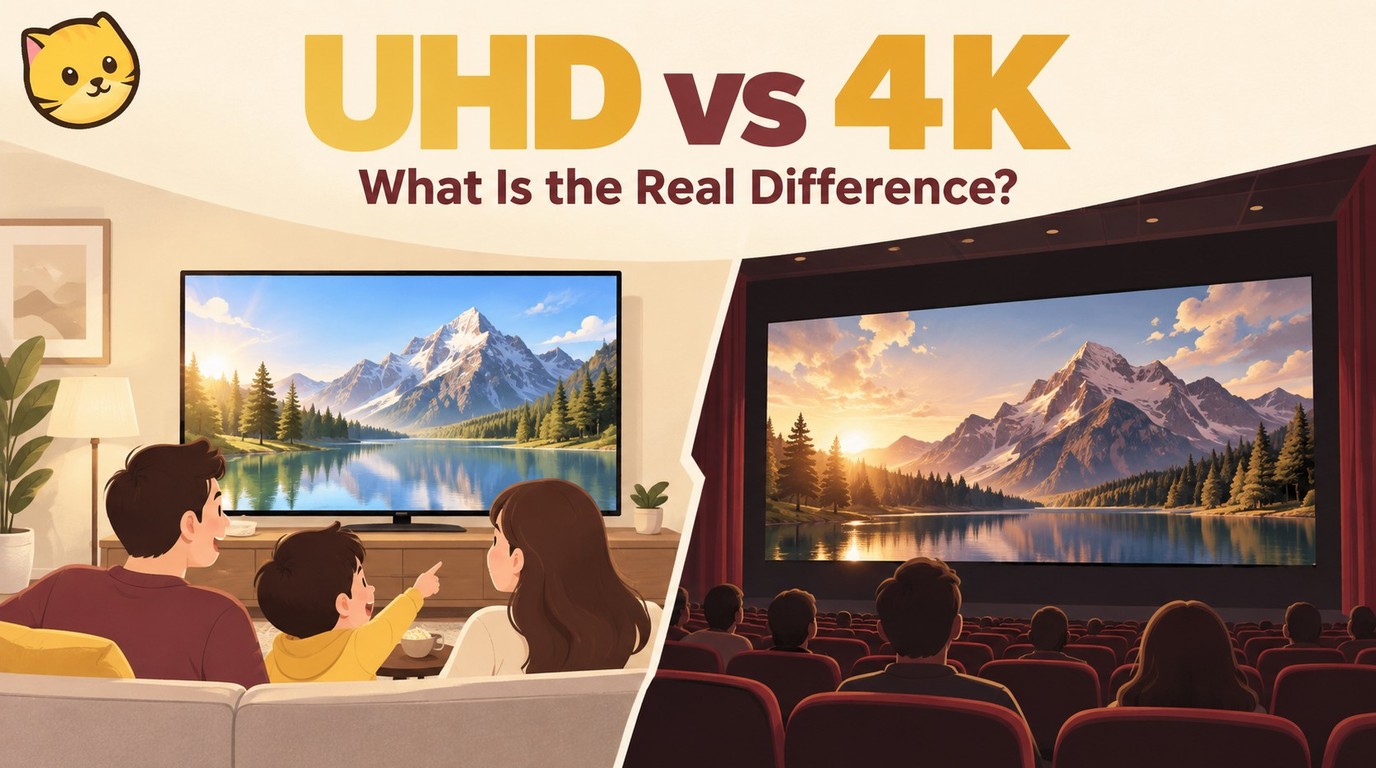
UHD and DCI 4K share a 2160-pixel vertical height, but they serve different markets: 3840 × 2160 UHD is the normal consumer target, while 4096 × 2160 DCI 4K belongs to cinema and production. The guide separates resolution from HDR, panel type, refresh rate, source quality, streaming conditions, HDMI certification, and local video upscaling so readers can choose based on their setup.
Want to use VLC to upscale video to higher quality in 2026? This hands-on guide covers four practical VLC upscale methods — RTX VSR, output module tuning, video filters, and color range fixes — with exact driver versions, keyboard shortcuts, and Windows 10/11 requirements.
This guide explains how to improve videos affected by blur, pixelation, compression damage, or similar degradation. It compares desktop AI, online, open-source, and free methods while explaining why deliberately removed pixels cannot be faithfully recovered.
This Wink Video Enhancer review separates the Web, mobile, and desktop paths, then explains the current free-use, watermark, credit, and subscription boundaries. It also records the 4K and denoise trade-offs, gives a Web-first workflow, and compares Wink with UniFab for local processing and specialized restoration needs.
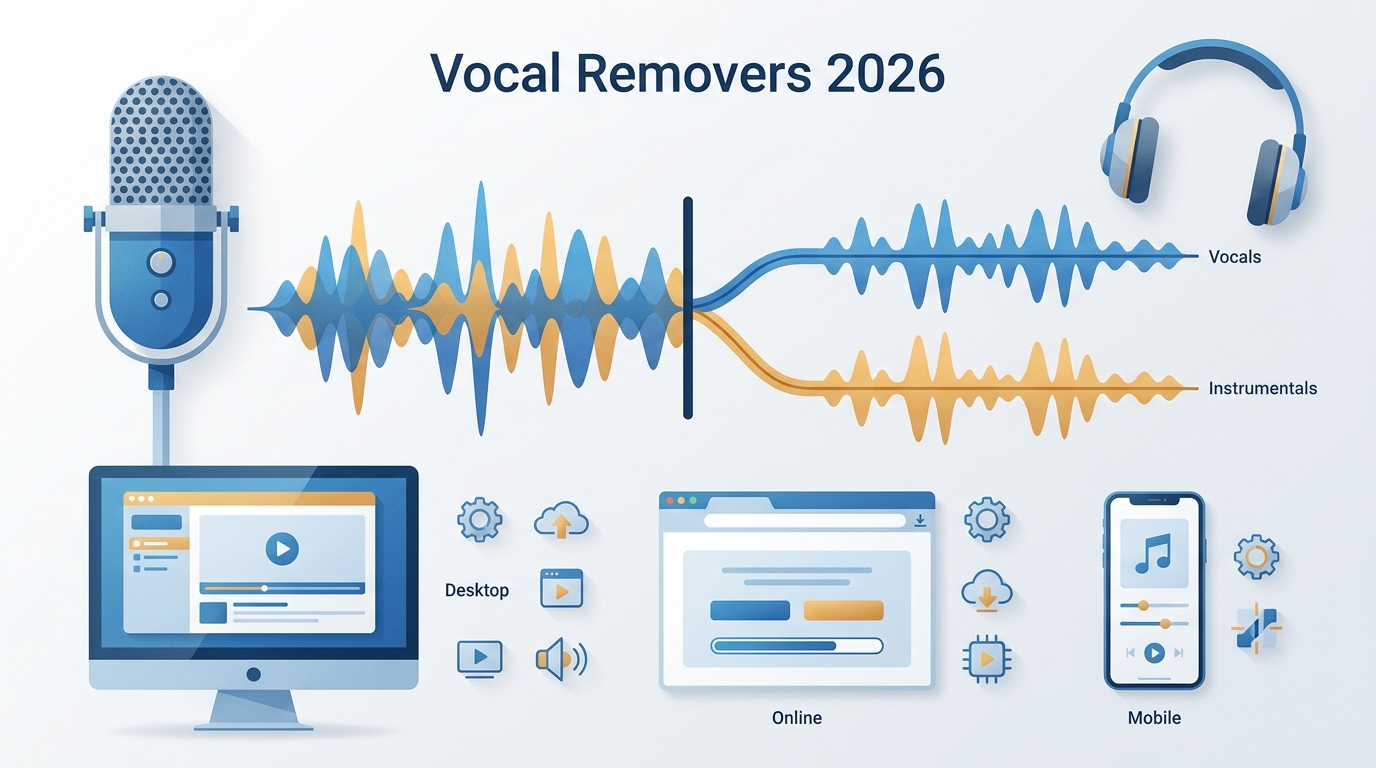
This updated guide explains best vocal remover, compares practical options and limitations, and shows how to choose settings or tools for the source, device, platform, privacy needs, and output quality. It also addresses best AI vocal remover, vocal remover, music stem separator using current 2026 guidance.