Video

CyberLink PowerDirector Review 2026: 3 Edition Choices

Updated on November 10, 2026

CyberLink PowerDirector Review 2026: 3 Edition Choices
PowerDirector combines an approachable timeline, broad creative tools, and three practical buying paths, but its value depends on platform, update stability, and AI-credit use. This review compares pricing, workflow, exports, user-reported problems, and where a dedicated enhancement app can complement the editor.

Audials Review 2026: One, Pro, and 4 Alternatives

Updated on November 10, 2026
Audials Review 2026: One, Pro, and 4 Alternatives
Audials One 2026 combines Windows recording, music, radio, and media management, but its flexibility comes with active setup and source-dependent performance. This review clarifies Standard, Premium, and Vision naming, then compares five alternatives for recording, direct downloads, Mac use, music capture, and AI enhancement.

How to Use CapCut in 2026: 10 Steps from First Edit to Export

Updated on November 10, 2026
How to Use CapCut in 2026: 10 Steps from First Edit to Export
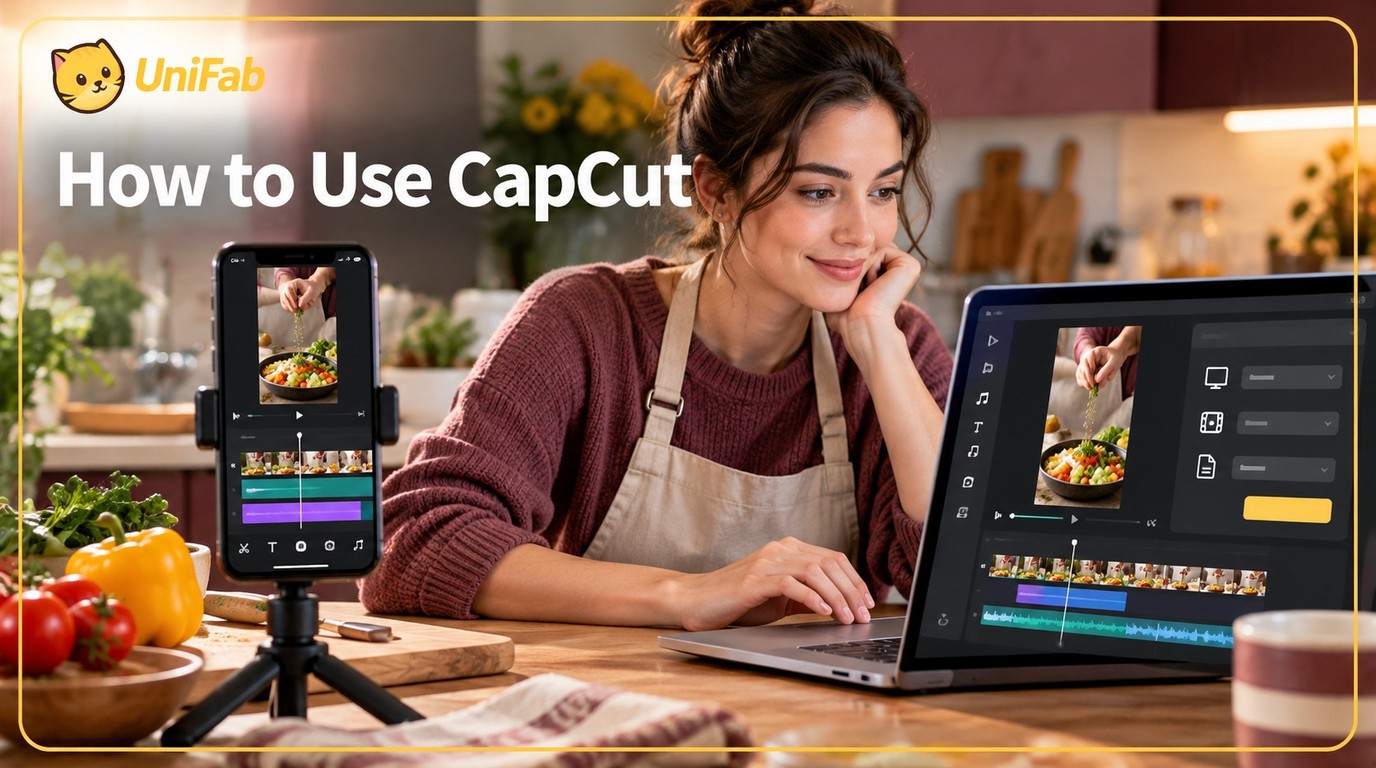
CapCut remains one of the most downloaded video editors in 2026, and learning how to use CapCut efficiently can turn a phone full of raw clips into content that actually performs on TikTok, Reels, and YouTube Shorts. This guide walks through every step — from installing the app and trimming your first clip to green-screen compositing, auto-captions, and exporting at 4K — plus an honest look at where CapCut's mobile-first design falls short and when a desktop alternative like UniFab makes more sense.

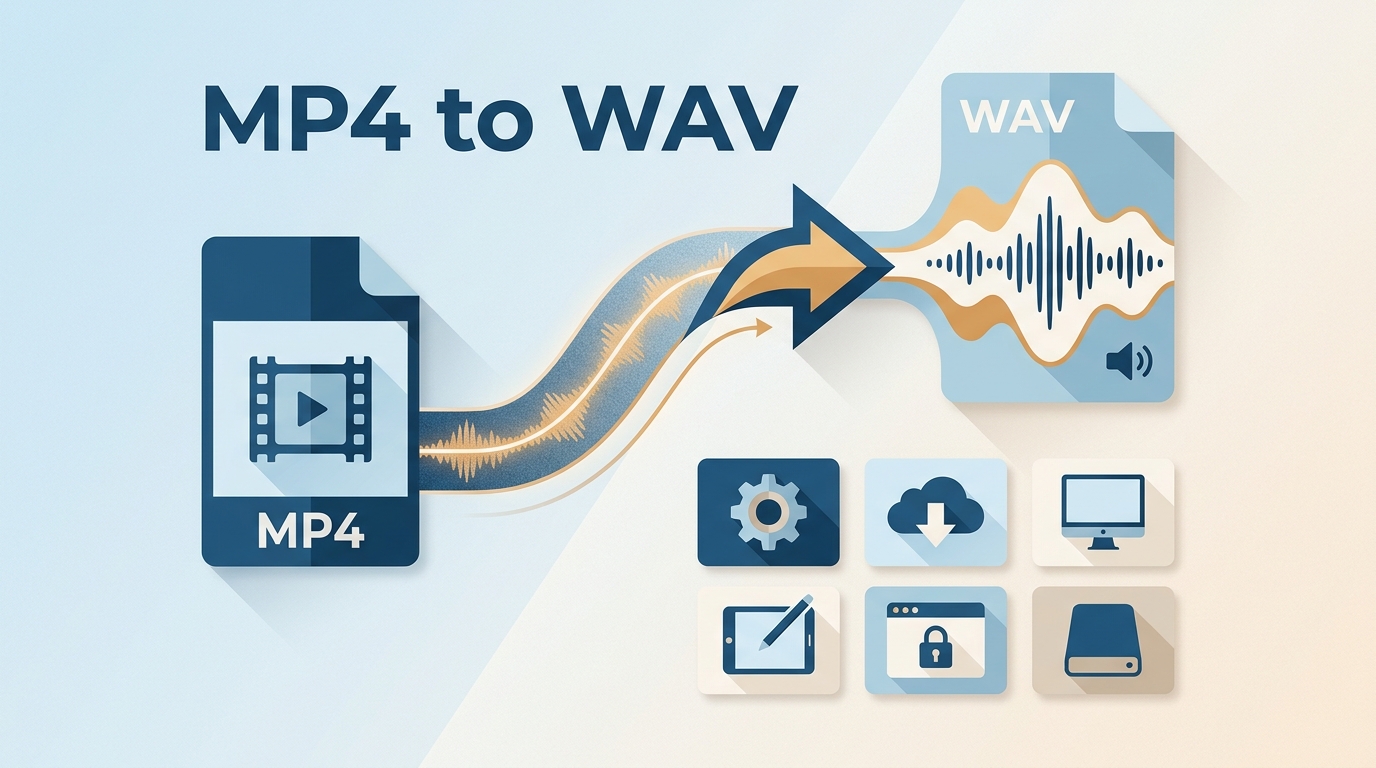
MP4 to WAV: 6 Converters and 3 Fast Methods

Updated on November 10, 2026
MP4 to WAV: 6 Converters and 3 Fast Methods
This guide explains what MP4-to-WAV conversion changes, compares six local and browser tools, and gives three practical methods. It also covers privacy, batch work, PCM settings, troubleshooting, and a scenario-based way to choose the right workflow.

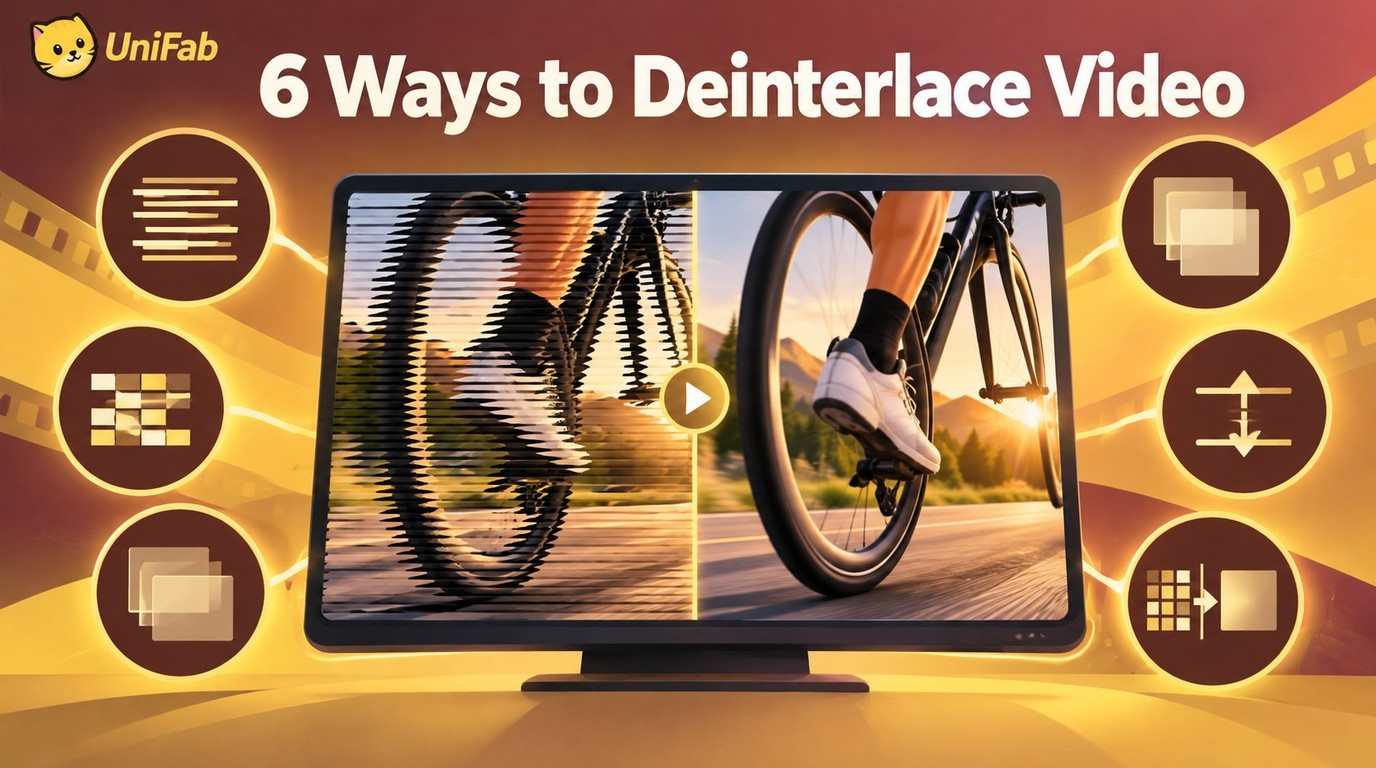
6 Ways to Deinterlace Video for Different Sources

Updated on November 10, 2026
6 Ways to Deinterlace Video for Different Sources
Deinterlacing converts alternating video fields into progressive frames that display cleanly on current screens. This guide explains how to diagnose the source, compare six software workflows, preserve the right motion cadence, and choose practical export settings without filtering footage that is already progressive.

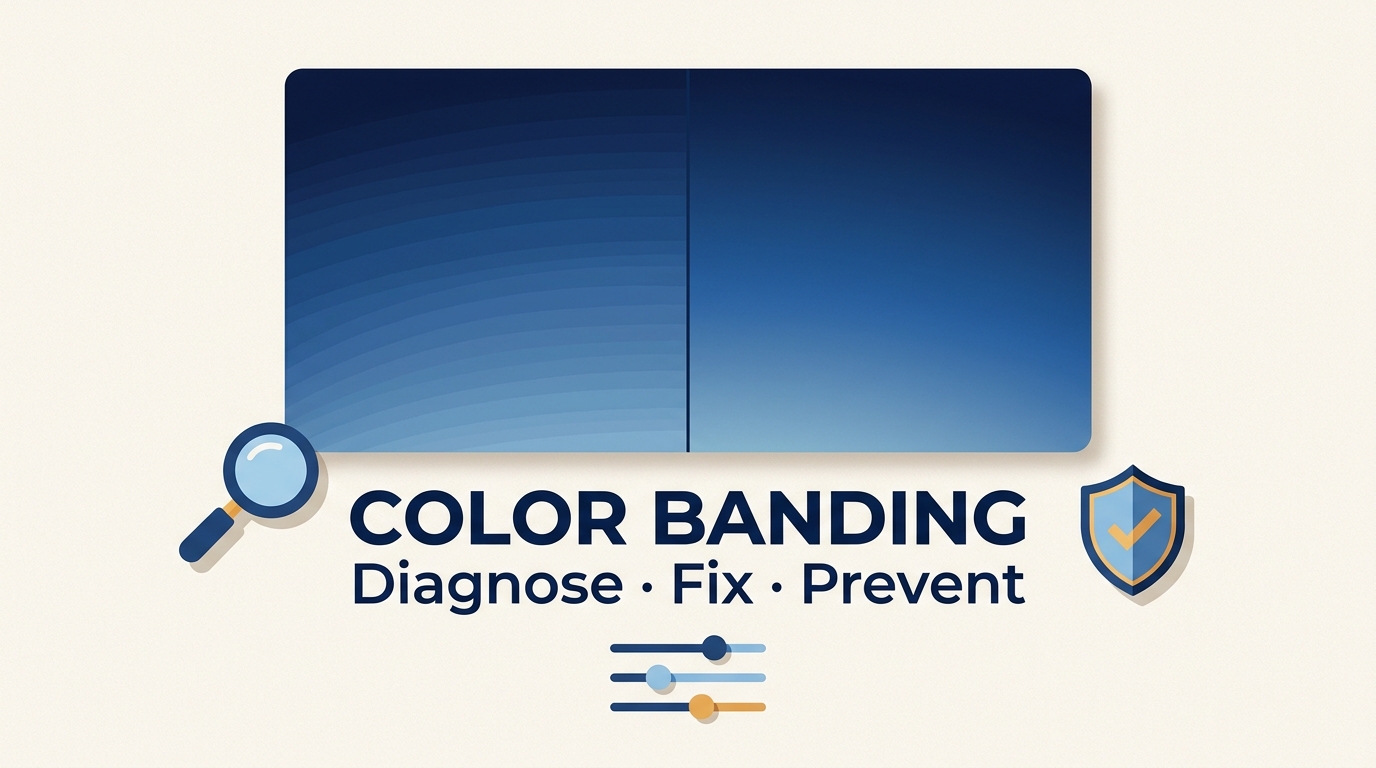
Color Banding in Video: How to Diagnose, Fix, and Prevent It

Updated on November 10, 2026
Color Banding in Video: How to Diagnose, Fix, and Prevent It
Color banding turns smooth gradients into visible steps, but the correct remedy depends on where the damage begins. This guide traces banding from capture through grading, export, platform transcoding, playback, and display, then explains practical fixes and the limited role AI color restoration can play.

How to Unblur a Face in Video: 3 Options for 2026

Updated on November 10, 2026
How to Unblur a Face in Video: 3 Options for 2026
AI can improve the visible clarity of a blurry face video when useful facial structure remains, but it cannot verify missing identity details. This guide explains recovery limits, shows a measured UniFab workflow, and compares desktop, browser, and mobile options by privacy, limits, and export control.

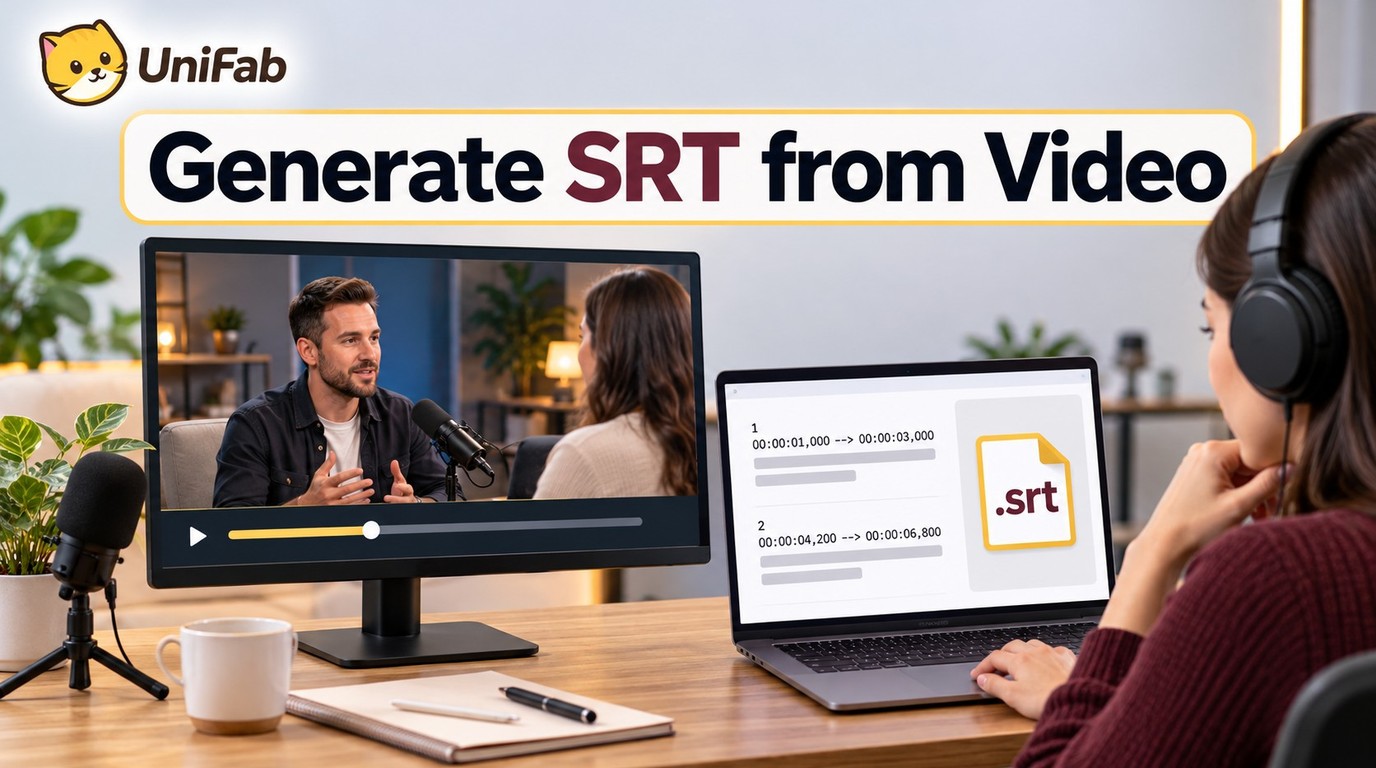
SRT File Generator for Video: Create, Review, and Download

Updated on November 10, 2026
SRT File Generator for Video: Create, Review, and Download
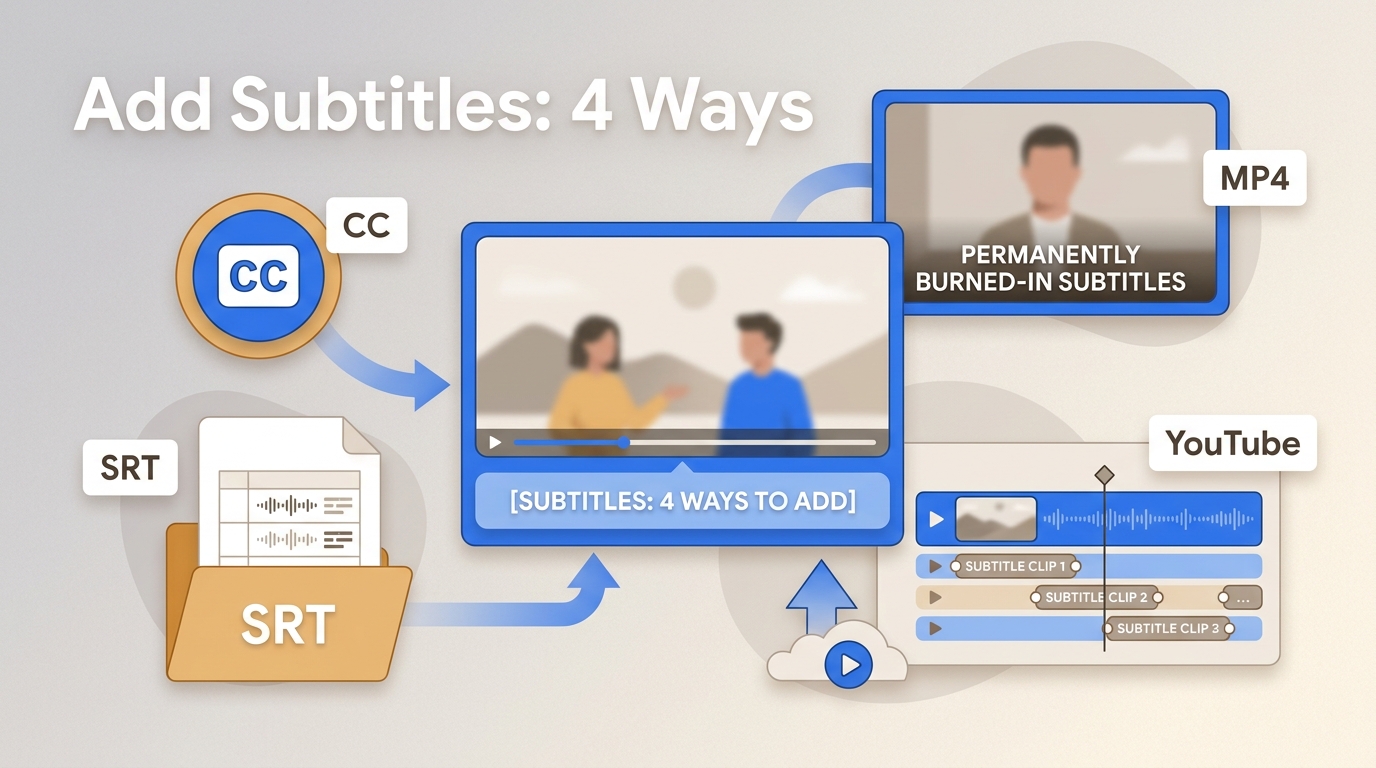
An SRT file generator turns spoken content into a separate, editable subtitle track. This guide explains the file format, a four-step creation workflow, practical quality checks, UniFab's current credit model, and the tradeoffs between cloud, browser-local, and manual subtitle workflows.

How to Add Captions on TikTok: 3 Caption Methods

Updated on November 10, 2026
How to Add Captions on TikTok: 3 Caption Methods
TikTok creators can add captions with the app's automatic tool, timed manual text, or a reviewed subtitle-file workflow. This guide explains each method, shows where to place captions, and offers practical fixes for missing controls, overlap, poor line breaks, and duplicate caption layers.